Persistent respiratory diseases, including bronchial asthma and long-lasting obstructive respiratory illness (COPD), impact millions of people across the globe. These disorders can make it difficult for individuals to respire, leading to a reduction in exercise and general quality of life. However, evidence has shown that engaging in regular movement can significantly reduce symptoms of these diseases. Physical activity helps strengthen the pulmonary muscles, enhance lung function, and enhance overall stamina. By integrating exercise into their daily routines, individuals with long-term breathing disorders can enjoy enhanced health and enhanced well-being.
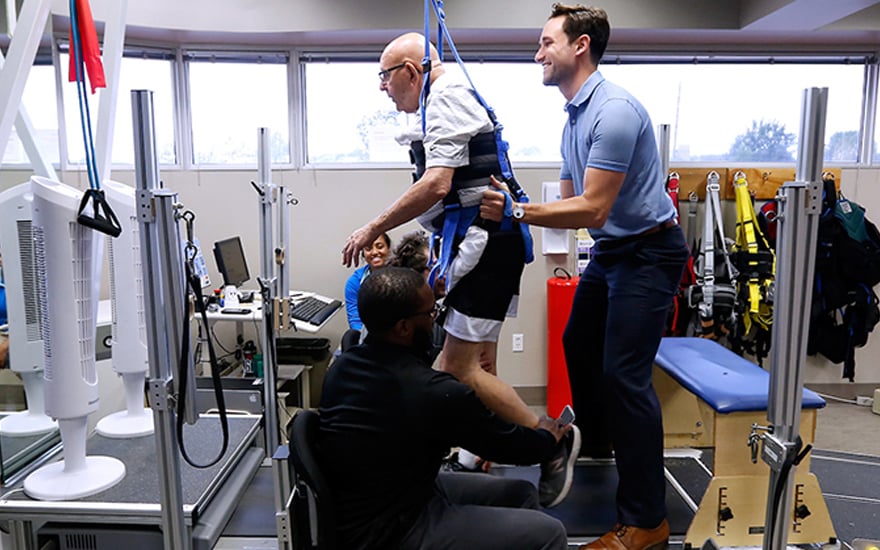
One method that physical activity supports those with persistent pulmonary conditions is by strengthening lung function. When individuals participate in exercise, their pulmonary system work harder to provide Oâ‚‚ to the body. This can promote enhanced lung capacity and functionality over time. Activities such as walking, lap swimming, or biking can be highly beneficial. They help patients to gradually improve their stamina without overexerting their systems. As a result, patients may discover they can perform routine tasks with less effort and undergo reduced episodes of dyspnea.
Moreover|Additionally|Furthermore, physical activity can have favorable impacts on emotional health as well. Persistent breathing diseases often bring feelings of worry and low mood due to persistent medical issues. Consistent exercise encourages the secretion of neurochemicals, which are look at this site molecules in the central nervous system that support enhance mental well-being and reduce psychological strain. Participating in social exercise sessions or classes can also deliver social support and reduce experiences of social disconnection. This feeling of belonging can motivate patients to stay active while also improving their psychological wellness.
In addition to bodily and emotional health benefits, physical activity can lead to enhanced control of effects associated with long-term breathing diseases. For instance|For example|Specifically, people who engage in consistent movement may encounter reduced flare-ups and lessened magnitude of symptoms like persistent cough and respiratory wheeze. It is important for Visit This Link those with these diseases to work with healthcare professionals before beginning an exercise program. A medical professional or physiotherapist can support them in choosing suitable movements that align with their individual capabilities and restrictions.
Finally|In conclusion|Ultimately, integrating exercise into daily life does not have to be complicated or complicated. Simple adjustments, such as opting for stairs instead of the elevator, taking a walk during break times, or engaging in yoga classes, can have a meaningful impact over time. Creating practical goals and progressively raising physical activity can help patients to maintain commitment and achieve sustainable results. With commitment and the adequate assistance, individuals with long-term breathing conditions can utilize the potential of physical activity to improve their manifestations and improve their daily living.