Professional fitness instructors play a key function in helping clients improve physical fitness, wellness, and overall well-being. Their responsibilities go past designing training plans and coaching movement methods. Trainers often work directly with participants who have varying health conditions, fitness levels, and health risks. Because physical activity can put stress on the human body, emergencies such as sudden physical injuries, fainting, or cardiac events can occur unexpectedly. For this reason, proper CPR and first aid training is a critical component of certified fitness instruction and supports a safer exercise environment.
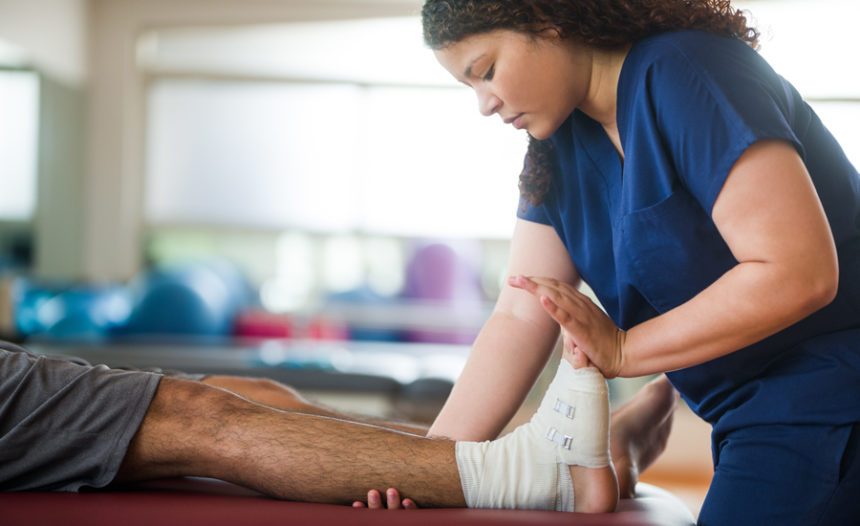
CPR and first aid training equip personal trainers with the understanding and skills needed to act quickly and appropriately during emergencies. CPR methods are intended to maintain blood circulation and respiration during heart failure until medical professionals take over. First aid education covers immediate response actions such as treating minor wounds, handling sprains, identifying signs of heat exhaustion, and reacting to airway blockages. These critical skills allow trainers to remain calm and prepared when confronted with unplanned events in gyms, studios, or outdoor training spaces.
Improved participant protection is one of the primary outcomes of formal emergency care instruction. When trainers are certified in browse around this website emergency response, clients can remain more secure and safe during exercise sessions. This feeling of security builds confidence, which is important in the trainer-client relationship. Knowing that a fitness professional is trained in emergency response also motivates participants to challenge themselves safely, knowing that potential dangers Recommended Reading are being controlled by a competent individual who knows risk reduction and urgent response.
From a career perspective, emergency training credentials also strengthen the credibility of personal trainers. Many fitness organizations and training facilities require up-to-date certification as a component of employment standards. Safety readiness shows responsibility, reliability, and dedication to client well-being. Trainers who maintain these skills show that they prioritize safety in addition to results and fitness progress. This can increase job prospects, industry image, and ongoing participant loyalty.
Integrating essential CPR and first aid training into the professional development of fitness professionals promotes more secure training settings and improved results for clients. Life-saving education supports fitness science, physical conditioning, and coaching skills. By being prepared for medical incidents and physical harm, trainers add to higher safety standards within the health and wellness field. Ultimately, strengthening personal trainers with life-saving education leads to improved client safety and a more secure, supportive approach to exercise programming.