Professional fitness instructors play a central role in helping individuals enhance physical fitness, wellness, and general quality of life. Their responsibilities extend past designing training programs and guiding movement techniques. Trainers often work closely with clients who have different medical backgrounds, fitness levels, and health risks. Because physical activity can put strain on the human body, emergencies such as acute injuries, fainting, or cardiac events can happen unexpectedly. For this cause, proper CPR and first aid training is a vital component of professional exercise coaching and supports a more secure training setting.
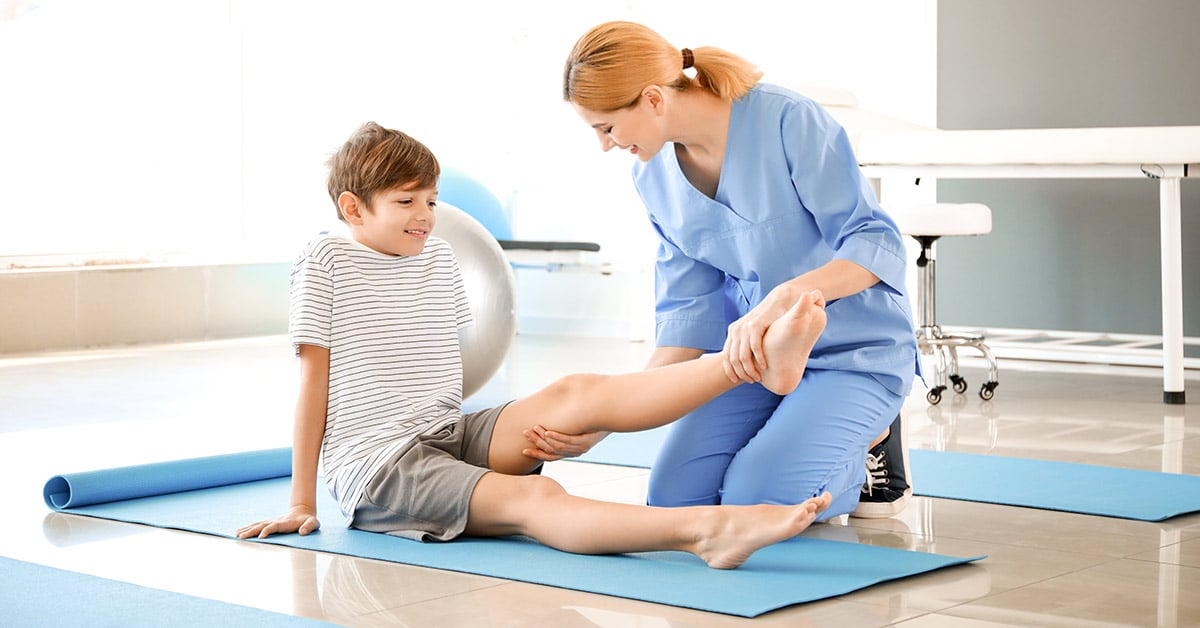
Emergency care education provide personal trainers with the understanding and skills required to respond quickly and appropriately during emergencies. Cardiopulmonary resuscitation techniques are intended to maintain circulatory function and breathing during cardiac arrest until emergency responders take over. Basic medical training includes essential procedures such as treating small injuries, handling sprains, recognizing signs of heat exhaustion, and responding to airway blockages. These critical skills allow trainers to remain composed and ready when faced with unexpected situations in gyms, training facilities, or outdoor training spaces.
Improved participant protection is one of the primary outcomes of proper emergency care instruction. When trainers are trained in CPR and first aid, clients can feel more secure and safe during training activities. This feeling of security builds trust, which is important in the professional coaching relationship. Knowing that a fitness professional is trained in emergency response also encourages participants to push themselves responsibly, knowing that risks are being controlled by a qualified individual who knows risk reduction and immediate care.
From a professional perspective, CPR and first aid certification also enhance visit the website the professional standing of personal trainers. Many health clubs and training facilities require current certification as part of employment standards. Emergency preparedness shows responsibility, reliability, and dedication to client well-being. Trainers who maintain these skills prove that they value safety in addition to performance and physical outcomes. This can improve career opportunities, check it out professional reputation, and ongoing participant loyalty.
Incorporating essential emergency care education into the ongoing education of fitness professionals promotes more secure training settings and improved outcomes for clients. Life-saving education supports fitness science, physical conditioning, and instructional techniques. By being ready for health emergencies and injuries, trainers add to improved safety standards within the fitness industry. Ultimately, empowering personal trainers with emergency response skills results in enhanced client safety and a more secure, supportive approach to physical fitness.